


Brain injuries and accident compensation
When life takes an unexpected turn through a brain injury, the impact reaches far beyond the initial trauma.
Across Australia, more than 600,000 people are living with acquired brain injuries – those that occur after birth –
creating ripple effects through families and communities.
What’s particularly striking is that two-thirds of these injuries happen before age 25,
with men accounting for three-quarters of all cases.
Understanding these statistics helps us recognise just how widespread and life-changing brain injuries can be.
and one that places pressure on the health system as a whole,
aside from those closest to the sufferer.
Types of Brain Damage and Severity
Every traumatic brain injury can be classified as a head injury.
The medical profession have identified two types of brain injuries:
traumatic brain injury and acquired brain injury.
Both interfere with the brain’s normal functioning.
Traumatic Brain Injury
This is the result of an external force, such as a car crash or a blow to the scalp,
which causes the brain to move inside the skull or damages the skull.
Even slight movement within the skull can cause irreversible brain damage.
Acquired Brain Injury
This occurs at a cellular level and is most often associated with pressure on the brain.
This pressure may result from a tumour or from neurological illness,
such as a stroke.
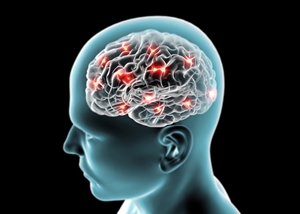
Brain injuries can significantly impact quality of life.
The Effects of Brain Damage
Living with a brain injury can have a significant impact on daily life.
As the charity Headway reveals, the effects can generally be categorised into the following areas:
- Emotional and behavioural changes
- Coma and reduced awareness
- Difficulty with communication
- Hormonal imbalances
- Cognitive impairment
- Post-traumatic amnesia
Dealing with these symptoms isn’t just difficult for the individual,
but also for those around them.
This is why ABI sufferers often seek injury compensation,
which can help alleviate the financial pressure of living with the condition.
Different Types of Brain Injury
There are a number of different types of ABI a person can face.
The Australian charity Synapse explains that traumatic head injuries
are caused by an external force, resulting in either an open or closed injury.
An open injury occurs when the skull and brain tissue are penetrated,
while a closed injury means the brain has not been exposed.
In both cases, damage is typically assessed using technologies such as
MRI scans, CT scans, intracranial pressure monitoring and X-ray imaging.
Depending on the severity of the injury,
the Glasgow Coma Scale may be used.
This measures a person’s level of consciousness on a scale from three to fifteen,
with lower scores indicating more severe impairment.
Brain Damage Accidents
Hospitals treat brain injuries every day,
often resulting from avoidable accidents.
The most common causes include serious car accidents,
other motor vehicle and pedestrian-related accidents,
falls, accidental collisions and violent assaults.
Coping with the Impact of a Brain Injury
Data from the Australian Institute of Health and Welfare shows that nearly
97 per cent of people with an ABI have severe or profound limitations
in their core activities.
Many sufferers require lifetime care, which can be extremely costly,
particularly given how young many victims are.
Lifetime care often includes specialised equipment,
long-term rehabilitation and ongoing financial support.
Seeking advice from an experienced
compensation lawyer
who specialises in head injury and brain damage cases can be invaluable.
At PK Simpson, we have helped many brain injury sufferers secure the compensation they deserve.
While financial compensation cannot reverse the effects of the injury,
it can significantly ease the financial burden of care
and provide vital support for loved ones and dependents.